
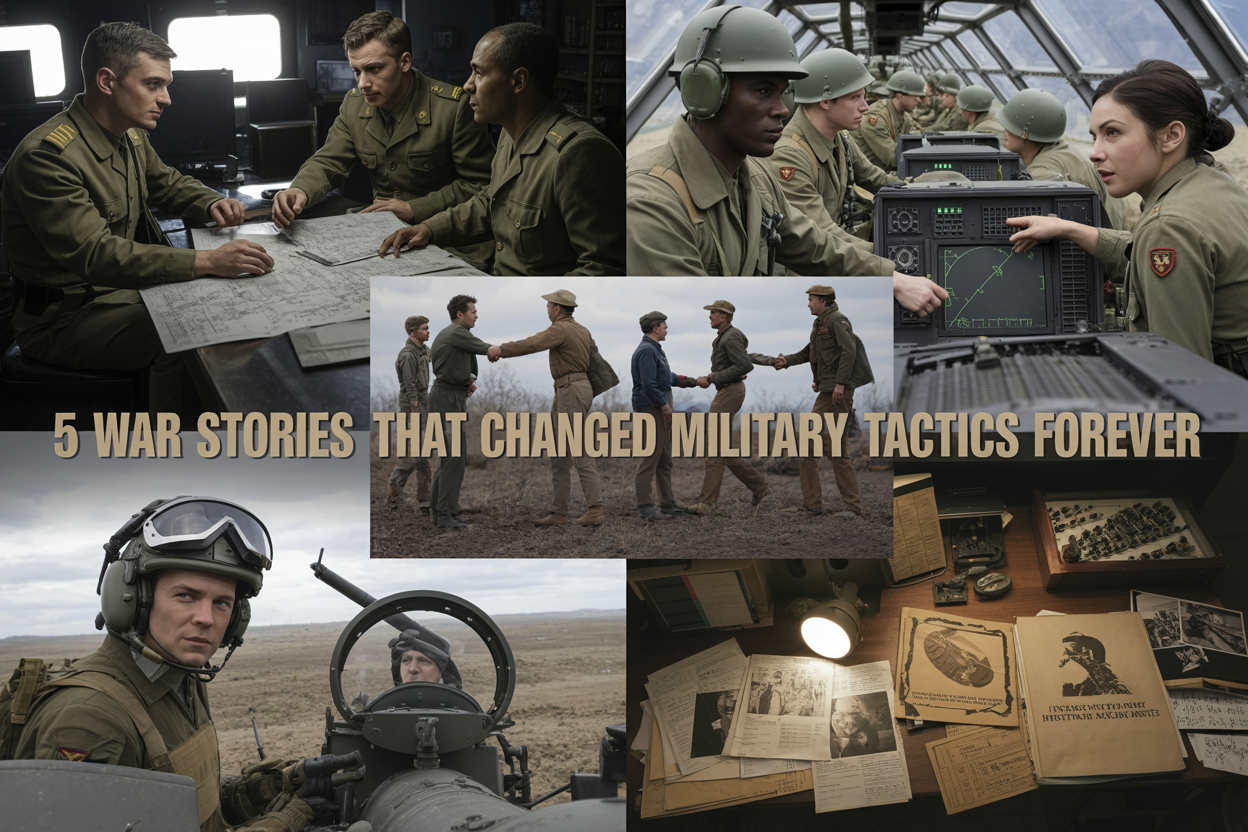
Military history is filled with moments where split-second decisions and unexpected breakthroughs completely changed how armies fight. These war stories that changed warfare aren’t just tales of heroism—they’re case studies in innovation under pressure that shaped modern military tactics.
This collection is for history buffs, military enthusiasts, and anyone curious about how battlefield innovations evolved into today’s strategic playbook. You’ll discover how desperate situations forced military leaders to think differently about intelligence gathering, communication, and combat strategy.
We’ll explore how intelligence operations transformed modern warfare strategies during World War II, when spies and code-breakers proved information could be more powerful than bullets. You’ll learn about revolutionary communication methods that saved lives behind enemy lines, turning simple radio technology into lifelines for soldiers trapped in hostile territory. We’ll also examine remarkable instances of cross-enemy collaboration that redefined military ethics, showing how shared humanity sometimes broke through the fog of war.
Each story reveals a turning point where old tactics gave way to new thinking—innovations that military strategists still use today. These aren’t just historical footnotes; they’re the building blocks of modern warfare that continue to influence how armies plan, communicate, and fight around the world.
How Intelligence Operations Transformed Modern Warfare Strategies
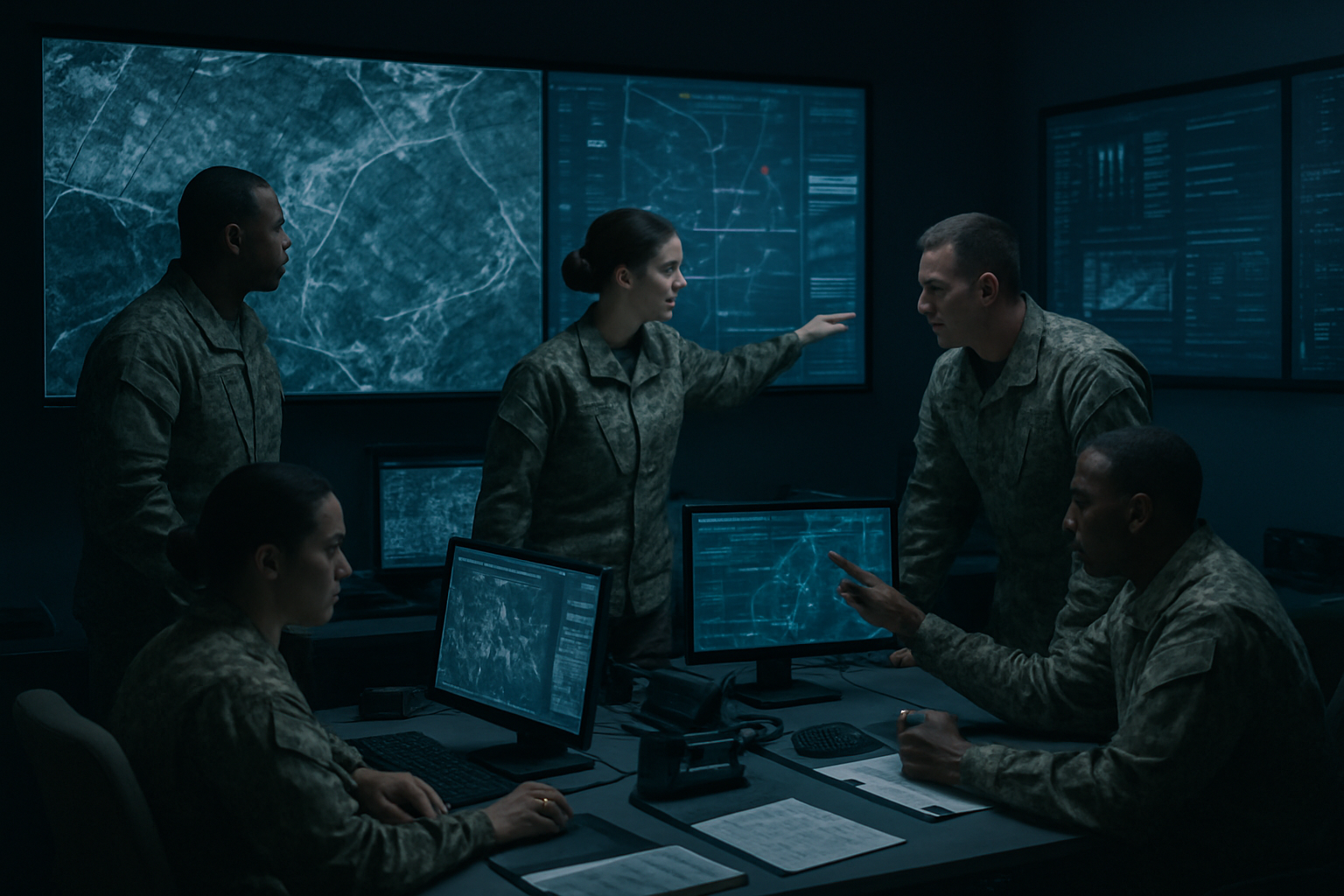
The Eli Cohen Intelligence Legacy That Enabled Israel’s Six-Day War Victory
Eli Cohen stands as Israel’s most legendary spy, whose infiltration of Syria’s highest military commands fundamentally transformed modern warfare strategies through unprecedented intelligence gathering. His operations before the Six-Day War in 1967 demonstrate how deep intelligence penetration can shift the entire balance of military conflicts. Cohen’s ability to embed himself within Syrian military leadership provided Israel with strategic advantages that would prove decisive in one of history’s most significant military victories.
The scope of Cohen’s intelligence operations was remarkable, as he successfully positioned himself to access Syria’s most sensitive military planning and defensive strategies. His work exemplifies how modern warfare strategies increasingly depend on human intelligence assets capable of providing real-time, actionable information from within enemy territory. This approach to military intelligence operations became a blueprint for contemporary espionage tactics.
Pre-Planted Coordinates That Changed the Course of Middle Eastern Conflicts
Perhaps the most ingenious aspect of Cohen’s operation involved his suggestion to Syrian military commanders to plant trees around their defensive positions. Under the seemingly innocent guise of providing shade for soldiers, these trees became precise markers for Israeli targeting systems. This strategic deception demonstrates how psychological manipulation combined with intelligence operations can transform warfare tactics evolution.
The pre-planted coordinates enabled Israel to achieve what many considered impossible: recapturing the strategically vital Golan Heights in just two days and defeating the entire Arab coalition within six days. This tactical innovation shows how modern warfare strategies increasingly rely on precision targeting rather than overwhelming force. The success of this operation influenced military doctrine worldwide, emphasizing the value of marked positions and precise intelligence.
Beyond the Golan Heights operation, Cohen’s intelligence gathering extended to Syria’s water diversion projects. In 1964, he provided crucial coordinates of canals Syria had constructed to divert Jordan River waters, which Israel subsequently bombed. This demonstrates how intelligence operations can extend beyond immediate military targets to encompass broader strategic resources.
Why Photographic Memory Became a Strategic Military Asset
Cohen’s photographic memory proved to be one of his most valuable assets in conducting successful military intelligence operations. This cognitive ability allowed him to memorize complex military installations, troop movements, and strategic plans without relying on written documentation that could compromise his mission. His mental capacity to retain and accurately recall detailed information became a template for training future intelligence operatives.
The precision with which Cohen could remember and communicate coordinates, defensive positions, and military strategies revolutionized how intelligence agencies approach human asset development. His photographic memory enabled him to provide Israeli forces with exact locations and detailed assessments without leaving any physical evidence of espionage activities. This capability proved essential in maintaining his cover while delivering actionable intelligence.
This cognitive approach to intelligence gathering has since influenced military training programs worldwide, with modern warfare strategies now incorporating enhanced memory training for operatives in sensitive positions.
Revolutionary Communication Methods That Saved Lives Behind Enemy Lines
The ATM Message System That Proved Soldier Survival to Families
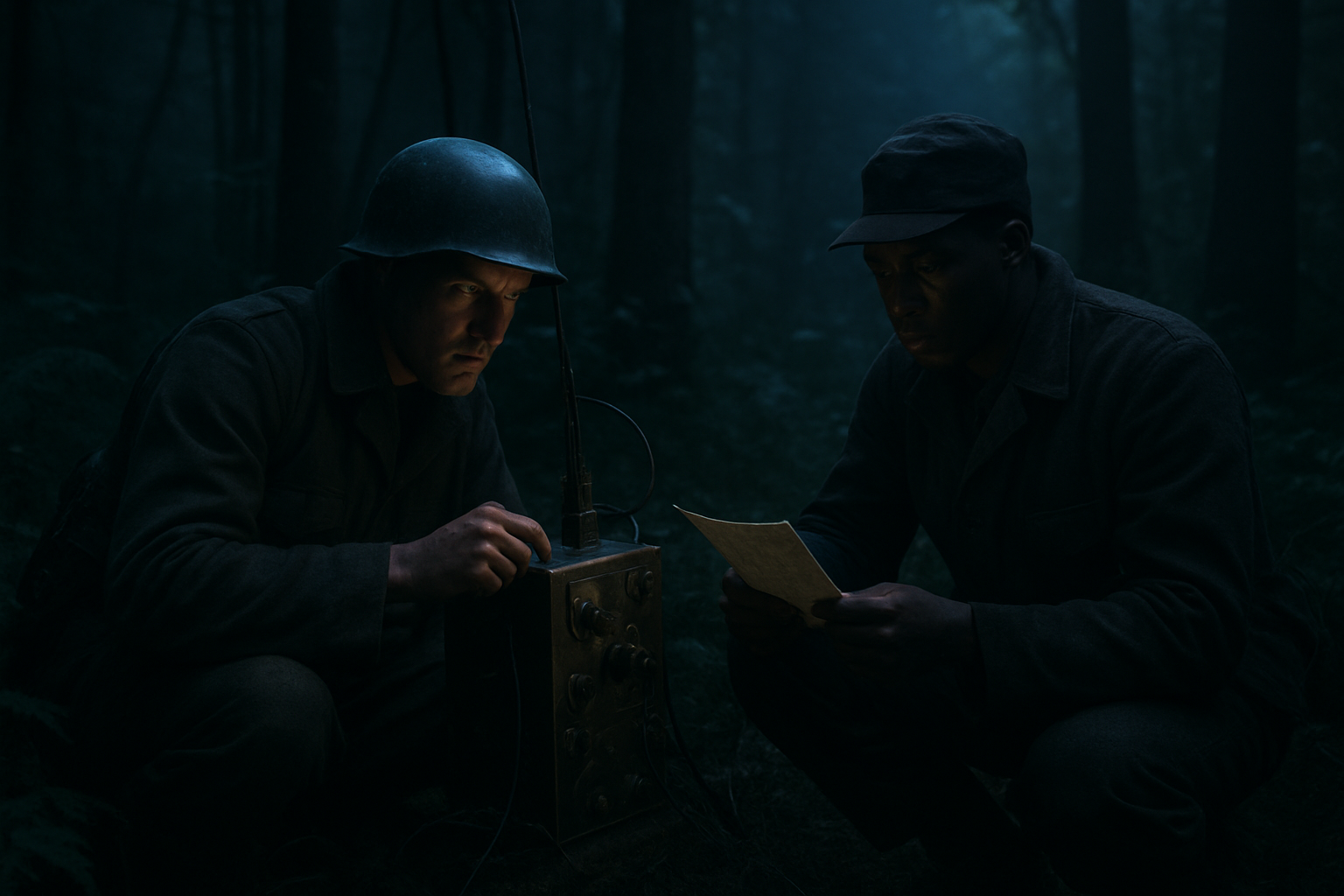
In one of the most ingenious examples of revolutionary military communication, an Indian soldier deployed in a war zone without network connectivity developed a brilliant method to communicate his survival to his family. With direct communication channels completely severed, this soldier would withdraw 100 rupees daily from his wife’s account. His wife would receive an instant SMS notification for each withdrawal, which served as a daily declaration that he was alive and safe.
This simple yet effective communication method demonstrates how modern warfare strategies often require soldiers to think beyond conventional military protocols. The ATM withdrawal system bypassed traditional communication barriers that enemy forces typically target during conflicts. By utilizing civilian banking infrastructure instead of military communication networks, the soldier ensured his family’s peace of mind while maintaining operational security.
The beauty of this approach lay in its simplicity and reliability. Banking systems often remain operational even when military communication lines are compromised, making this method both practical and secure. The regular withdrawals created a pattern that his wife could recognize as a sign of life, transforming a routine financial transaction into a lifeline of hope during uncertain times.
Underground Networks That Protected Downed Allied Pilots
During wartime operations, underground resistance networks became crucial lifelines for military personnel trapped behind enemy lines. These clandestine communication systems operated through carefully coordinated networks of local civilians who risked their lives to protect and evacuate downed pilots and stranded soldiers.
The success of these networks relied heavily on innovative communication methods that avoided detection by enemy forces. Local resistance movements developed sophisticated systems using coded messages, predetermined signals, and secure meeting points. These networks often utilized everyday objects and locations as communication tools, such as specific window arrangements, clothing displays, or market stall configurations that conveyed critical information about safe houses and evacuation routes.
How Local Resistance Movements Coordinated Rescue Operations
Local resistance movements demonstrated remarkable ingenuity in coordinating rescue operations for allied personnel. These groups established complex communication webs that connected safe houses, informants, and evacuation routes across vast territories. The coordination required precise timing and flawless execution, as any communication breakdown could result in capture or death for both the rescued personnel and the resistance fighters.
The effectiveness of these operations often depended on the resistance movements’ ability to maintain multiple communication channels simultaneously. They developed backup systems and alternate routes, ensuring that if one communication line was compromised, others could continue functioning. This redundancy in revolutionary military communication systems proved essential for successful rescue operations and demonstrated how civilian networks could effectively support military objectives during wartime.
Cross-Enemy Collaboration That Redefined Military Ethics
When German Farmers Risked Everything to Save Allied Soldiers
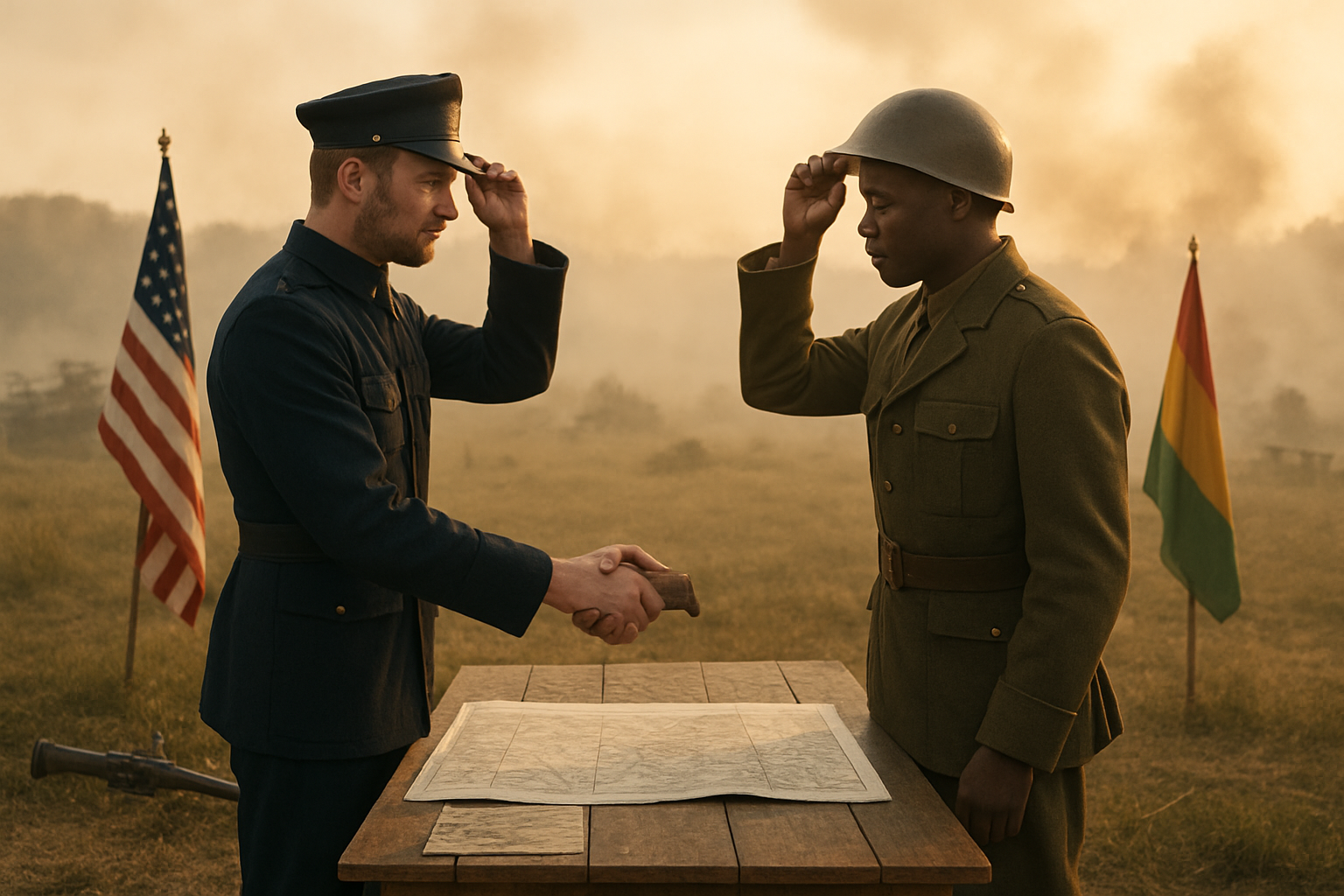
The wartime actions of German farmer Fons van der Heijden exemplify how cross-enemy collaboration emerged as a powerful force that would fundamentally reshape military ethics transformation. In May 1944, van der Heijden and his family made the extraordinary decision to shelter British pilot Ernest Holmes after his aircraft was shot down over their property. This act of compassion transcended national boundaries and military allegiances, demonstrating that humanity could prevail even in the darkest moments of conflict.
Van der Heijden’s courage extended beyond this single incident. Under severe threats from German forces, he admitted to helping three Allied pilots in total, fully aware that discovery would mean certain death for him and potentially his entire family. His willingness to protect enemy soldiers while living under occupation illustrated how individual conscience could override wartime propaganda and national loyalty.
The Ultimate Sacrifice That Inspired Post-War Humanitarian Protocols
The tragic conclusion of van der Heijden’s story became a catalyst for profound changes in military ethics transformation. When German soldiers discovered his assistance to Allied forces, they executed him—but his sacrifice embodied the biblical principle that “Greater love hath no man than this, that a man lay down his life for his friends.” This ultimate sacrifice resonated far beyond the immediate conflict, inspiring military leaders and policymakers to reconsider how enemy civilians and combatants should be treated.
Van der Heijden’s death highlighted the moral complexity of warfare and the need for protocols that protected those who chose compassion over compliance. His actions demonstrated that true heroism often meant risking everything to save one’s supposed enemies, a concept that would later influence post-war humanitarian frameworks and military codes of conduct.
How Personal Bonds Transcended National Conflicts
The remarkable story of British POW Horace Greasley further illustrates how personal relationships could override the rigid boundaries of warfare tactics evolution. Greasley repeatedly escaped his German prison camp to meet his German sweetheart, Rosa Rauchbach, creating one of the most extraordinary examples of how human connection could flourish despite military opposition.
Rosa’s role in this cross-enemy collaboration was equally significant. She not only maintained their forbidden relationship but actively smuggled food and radio parts to Greasley’s fellow prisoners of war. This dangerous assistance demonstrated how personal bonds could motivate individuals to aid enemy forces, fundamentally challenging traditional notions of loyalty and patriotism during wartime.
These relationships proved that emotional connections could transcend national conflicts, creating networks of mutual aid that operated outside official military structures. Such stories became instrumental in shaping post-war understanding of how personal humanity could persist even within the brutal framework of global conflict, ultimately contributing to more nuanced approaches to military ethics transformation in future conflicts.
Precision Flying Techniques That Minimized Civilian Casualties
Controlled Aircraft Crashes That Protected Population Centers
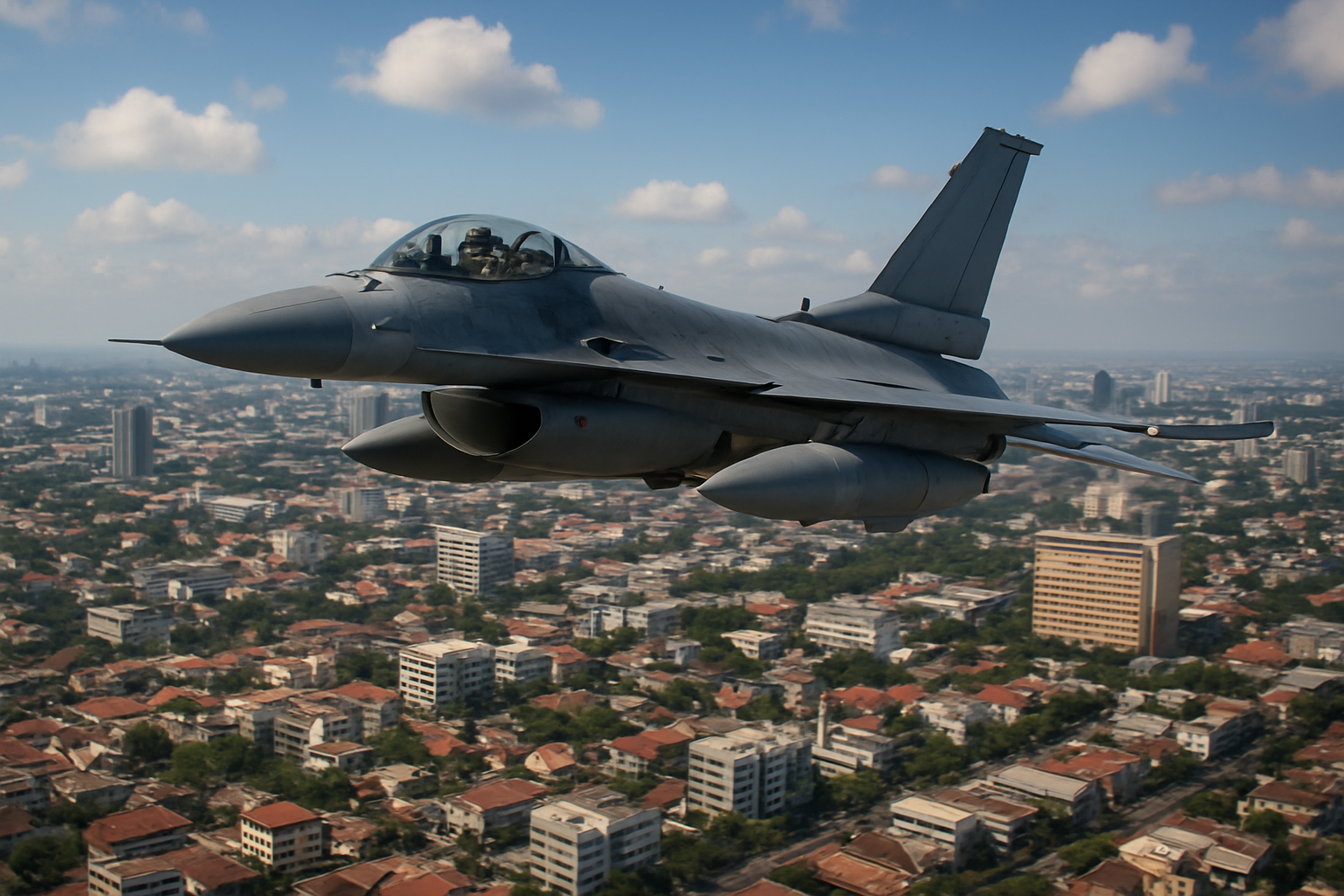
US Pilot Officer Bill Millington exemplified the extraordinary decision-making that would reshape precision flying techniques during combat operations. After sustaining wounds and engine damage in aerial combat, Millington faced a critical moment that demonstrated how individual pilot actions could protect civilian populations. Rather than abandoning his aircraft immediately, he made the conscious choice to steer his damaged plane away from a nearby village before ejecting to safety.
This deliberate action prevented what could have been a catastrophic civilian casualty event, as his aircraft would have otherwise crashed into populated areas. Millington’s heroic decision earned him the Distinguished Flying Cross (DFC), but more importantly, it established a precedent for controlled aircraft crashes that would influence military aviation doctrine for decades to come.
The incident highlighted how precision flying techniques could extend beyond accurate targeting to include post-combat decision-making under extreme duress. Military strategists recognized that pilots operating damaged aircraft still maintained crucial opportunities to minimize collateral damage through deliberate flight path selection, even when facing imminent aircraft loss.
Strategic Targeting Methods That Evolved from Battlefield Mistakes
Now that we have covered controlled crashes, the evolution of strategic targeting methods reveals how tragic errors transformed military precision protocols. The British bombing incident at Mierlo-Hout in May 1940 serves as a sobering reminder of how targeting failures catalyzed changes in warfare tactics evolution.
The intended high-value target operation, designed to eliminate a prominent Nazi official or disrupt critical railway infrastructure, resulted in devastating civilian casualties when the bomb missed its strategic objective. Among the victims were Alex Heldens and three other civilians, whose deaths underscored the urgent need for enhanced targeting accuracy in modern warfare strategies.
This tragic miscalculation became a watershed moment that forced military planners to reassess their strategic targeting methodologies. The incident demonstrated that even well-intentioned operations could result in unacceptable civilian harm when precision flying techniques and targeting systems failed to meet operational requirements.
How Pilot Decision-Making Under Fire Changed Air Combat Doctrine
With this in mind, the transformation of air combat doctrine stemmed directly from analyzing pilot behavior during critical combat situations. Both Millington’s heroic actions and the Mierlo-Hout targeting failure contributed to fundamental changes in how military aviation approached civilian protection during combat operations.
The contrast between these incidents illuminated the critical importance of real-time decision-making protocols that prioritized civilian safety alongside mission objectives. Military training programs began incorporating scenarios that tested pilots’ ability to make split-second decisions that balanced mission success with collateral damage prevention, fundamentally altering how precision flying techniques were taught and implemented in combat situations.
Psychological Warfare Victories That Transformed Enemy Relations
The Japanese Pilot’s Honor-Based Diplomacy That Created Lasting Peace
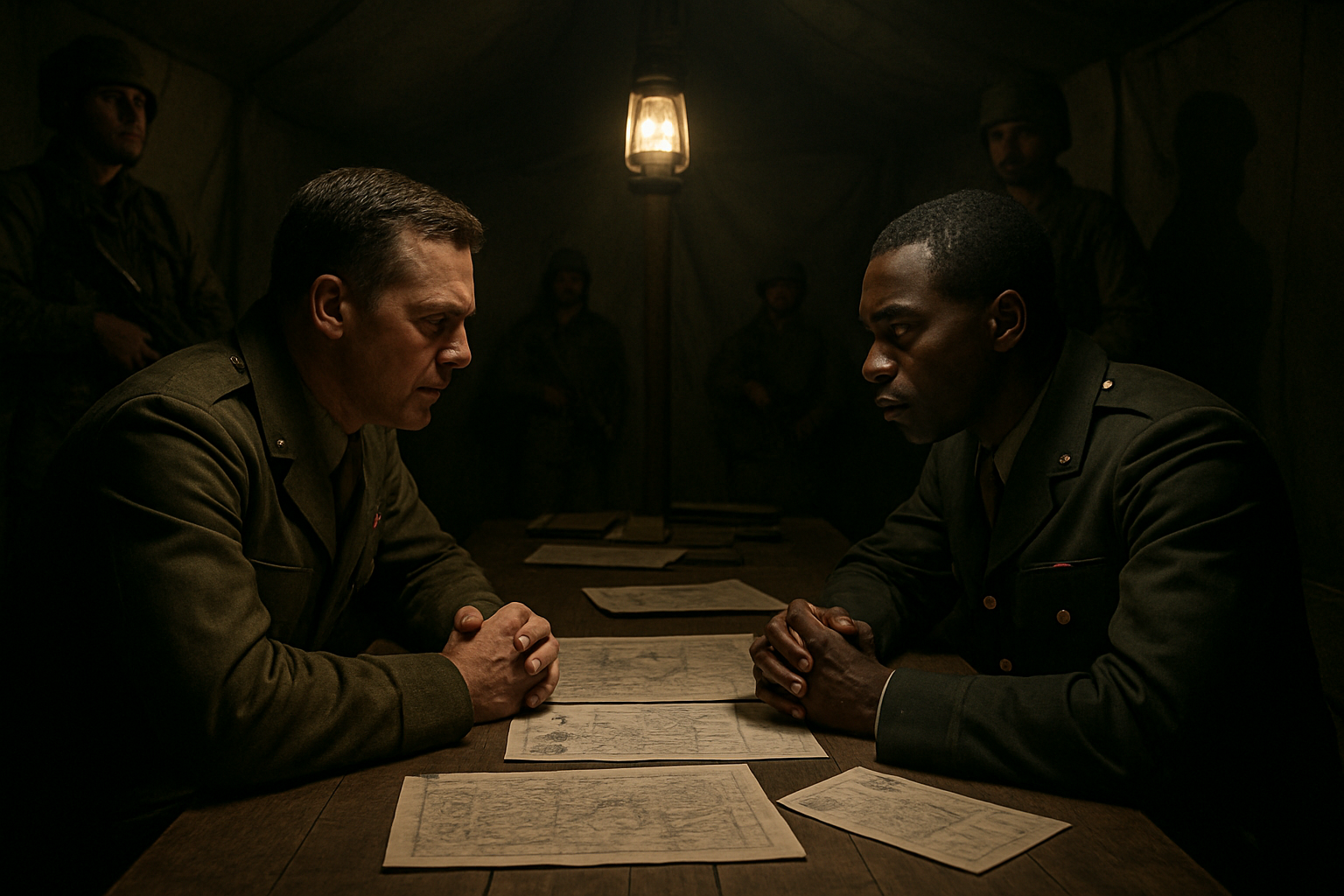
Nobuo Fujita’s transformation from enemy combatant to peace advocate represents one of the most remarkable examples of psychological warfare victories in military history. In 1942, this Japanese pilot had bombed the US mainland, making him a wartime adversary. However, twenty years later, the town of Brookings, Oregon, extended an unprecedented invitation that would revolutionize how former enemies could rebuild relationships.
When Fujita arrived in Brookings, he carried his ancestral sword, prepared for seppuku—a testament to the deep shame and honor-bound culture that defined his mindset. This gesture demonstrated the profound psychological burden carried by former combatants. Instead of hostility, the community welcomed him with open arms, creating an unexpected diplomatic breakthrough that transcended traditional military tactics and warfare strategies evolution.
The sword, initially brought as an instrument of honor-bound suicide, became a powerful symbol of reconciliation when Fujita offered it to the town. This act transformed a weapon into a peace offering, illustrating how personal gestures can reshape international relations more effectively than formal treaties. Fujita’s subsequent advocacy for US-Japan friendship and his eventual honorary citizenship status proved that psychological warfare victories could create lasting diplomatic bonds that extend far beyond conventional military outcomes.
Forgiveness Strategies That Turned Enemies into Advocates
The relationship between British prisoner of war Eric Lomax and his Japanese captor Takashi Nagase exemplifies how forgiveness strategies can fundamentally alter enemy relations and contribute to military ethics transformation. Lomax had endured torture at Nagase’s hands during World War II, creating a foundation of trauma and hatred that typically defines post-conflict relationships between former adversaries.
When the two men met in 1989, nearly five decades after their wartime encounter, Lomax chose forgiveness over revenge—a decision that triggered an extraordinary transformation in both individuals. This meeting demonstrated how personal reconciliation could serve as a model for broader military tactics history, showing that healing relationships between former enemies could yield more strategic value than maintaining perpetual hostility.
Nagase’s response to this forgiveness proved equally transformative. Filled with remorse for his wartime actions, he dedicated his life to making amends through concrete actions that benefited society. His conversion to Buddhism, assistance in locating mass graves, construction of temples and schools, and vocal criticism of Japanese military practices illustrated how genuine redemption could turn a former torturer into a powerful advocate for peace and reconciliation.
Why Personal Redemption Became a Model for Post-Conflict Reconciliation
The profound personal transformations of both Fujita and Nagase established new paradigms for post-conflict reconciliation that military strategists and diplomats continue to study. These cases demonstrated that psychological warfare victories could extend far beyond the battlefield, creating sustainable peace through individual accountability and community healing rather than through traditional punitive measures.
Nagase’s comprehensive approach to redemption—encompassing spiritual transformation, practical assistance to war victims’ families, infrastructure development, and public criticism of military wrongdoing—provided a blueprint for how former combatants could contribute to lasting peace. His work in building temples and schools represented investment in future generations, while his assistance in finding mass graves offered closure to grieving families, addressing the psychological wounds that often perpetuate cycles of conflict.
These examples of personal redemption influenced modern warfare strategies by proving that sustainable peace requires more than military victory or political agreements. The lasting friendships forged between former enemies created cultural bridges that strengthened diplomatic relations between nations. This approach to post-conflict reconciliation has since informed military ethics and peacekeeping strategies, demonstrating that personal transformation and genuine remorse can achieve strategic objectives that conventional military tactics cannot accomplish alone.
These five remarkable war stories demonstrate how individual moments of ingenuity, courage, and humanity have fundamentally shaped modern military doctrine. From revolutionary intelligence operations that changed the course of conflicts to precision techniques that prioritized civilian safety, each account reveals how tactical innovations born from necessity continue to influence warfare today. The cross-enemy collaborations that redefined military ethics and psychological warfare victories that transformed enemy relations show us that even in humanity’s darkest hours, profound lessons emerge that transcend the battlefield.
The legacy of these wartime innovations extends far beyond their immediate tactical applications. Today’s military strategies still reflect the communication breakthroughs, ethical frameworks, and precision methodologies developed during these critical moments in history. As we study these accounts, we’re reminded that progress in warfare often comes not just from technological advancement, but from the human capacity to adapt, innovate, and sometimes choose compassion over conquest. These stories serve as both historical record and continuing inspiration for military leaders seeking to minimize destruction while achieving strategic objectives.
Been grinding on 777xpgameonline and the rewards are looking real nice. Digging the variety of games. Check it out yo: 777xpgameonline
Easy peasy download from 777cxgamedownload. No hassle at all! Playing my favorite games in minutes. Get downloading: 777cxgamedownload
Bigballercasino caught my attention. There appears to be a good selection of games. Pretty nice. You should check it out. bigballercasino
What up! Popped over to 234vip22. Seems pretty standard but could have some hidden gems. Worth a peek if you’re bored: 234vip22.
Sup y’all! Just stumbled on 639clubslot. If you’re into slots, this might be your thing. I’d check it out for sure if that’s your jam: 639clubslot.
What’s the word? Just heard about 9000betplataforma. Name’s pretty catchy haha. Could be worth a spin! Check it: 9000betplataforma.
aix79s
xn88 là đối tác chính thức của nhiều giải đấu eSports – cá cược CSGO, LMHT, Dota 2 với tỷ lệ cạnh tranh và live stream trực tiếp. TONY03-01H
подробнее здесь https://vodkabet-play.vodkabet-zerkalo.vodka/
По вопросам оформления вызова можно ознакомиться с правилами на портале Федеральной службы по надзору в сфере здравоохранения, где опубликованы актуальные рекомендации и требования к медицинским организациям.
Изучить вопрос глубже – помощь нарколога на дому волгоград
Нарколог на дом в Волгограде — это специализированная медицинская услуга, направленная на оказание квалифицированной помощи пациентам с зависимостями в привычной домашней обстановке. Такая форма лечения позволяет снизить стресс, связанный с госпитализацией, и обеспечивает более комфортное проведение медицинских процедур. Вызов нарколога на дом пользуется высокой востребованностью как среди пациентов с алкоголизмом, так и среди людей, страдающих от наркотической зависимости, а также при острых состояниях, требующих неотложного вмешательства.
Получить дополнительную информацию – https://narkolog-na-dom-volgograd13.ru/narkolog-na-dom-kruglosutochno-volgograd
По вопросам оформления вызова можно ознакомиться с правилами на портале Федеральной службы по надзору в сфере здравоохранения, где опубликованы актуальные рекомендации и требования к медицинским организациям.
Подробнее – выезд нарколога на дом в волгограде
**prostafense**
ProstAfense is a premium, doctor-crafted supplement formulated to maintain optimal prostate function, enhance urinary performance, and support overall male wellness.
**mitolyn**
Mitolyn is a carefully developed, plant-based formula created to help support metabolic efficiency and encourage healthy, lasting weight management.
**heroup**
HeroUP is a premium mens wellness formula designed to support sustained energy, physical stamina, and everyday confidence.
**citrusburn**
CitrusBurn is a Mediterranean-inspired thermogenic formula created to support a naturally slower metabolism, encourage efficient fat utilization.
**primebiome**
The bodys natural process of skin cell renewal is essential for preserving a smooth, healthy, and youthful-looking complexion.
**native gut**
NativeGut is a precision-crafted nutritional blend designed to nurture your dog’s digestive tract.
Mọi thắc mắc của bạn tại game bài 66b đều được giải quyết ngay lập tức nhờ đội ngũ CSKH nhiệt tình, am hiểu chuyên môn. TONY03-11O
**prostapeak**
Prosta Peak is a high-quality prostate wellness supplement formulated with a comprehensive blend of 20+ natural ingredients and essential nutrients to support prostate health
**manergy**
Manergy is an advanced male vitality supplement created to help support healthy testosterone levels
**glpro**
GL Pro is a natural dietary supplement formulated to help maintain steady, healthy blood sugar levels while easing persistent sugar cravings.
**prostafense**
ProstAfense is a premium, doctor-crafted supplement formulated to maintain optimal prostate function, enhance urinary performance, and support overall male wellness.
**kerassentials**
Kerassentials is an entirely natural blend crafted with 4 potent core oils and enriched by 9 complementary oils and vital minerals.
**prostadine**
Prostadine concerns can disrupt everyday rhythm with steady discomfort, fueling frustration and a constant hunt for dependable relief.
Публикация предлагает читателю не просто информацию, а инструменты для анализа и саморазвития. Мы стимулируем критическое мышление, предлагая различные точки зрения и призывая к самостоятельному поиску решений.
Погрузиться в детали – https://valencialife.es/valencia-local-heroes-fernando-cantarino-vazques-vegan-champion-of-jardin-urbano
Корректная среда — половина успешной инфузии. Этот порядок действий помогает врачу быстрее принять решения, а пациенту — легче перенести первые часы.
Исследовать вопрос подробнее – вызвать нарколога на дом срочно
ремонт бетонных конструкций усиление ремонт бетонных конструкций усиление .
лучший дизайн интерьера спб дизайнер интерьера спб
дизайн проект в санкт петербурге дизайн интерьера санкт петербург
дизайн интерьера дома заказать дизайн проект дома недорого
Mitolyn is a carefully developed, plant-based formula created to help support metabolic efficiency and encourage healthy, lasting weight management.
PurDentix is a revolutionary oral health supplement designed to support strong teeth and healthy gums. It tackles a wide range of dental concerns
Maintaining prostate health is crucial for men’s overall wellness, especially as they grow older. Conditions like reduced urine flow, interrupted sleep
The bodys natural process of skin cell renewal is essential for preserving a smooth, healthy, and youthful-looking complexion.
Manergy is an advanced male vitality supplement created to help support healthy testosterone levels
NativeGut is a precision-crafted nutritional blend designed to nurture your dog’s digestive tract.
ProstAfense is a premium, doctor-crafted supplement formulated to maintain optimal prostate function, enhance urinary performance, and support overall male wellness.
NerveGenics is a naturally formulated nerve-health supplement created to promote nerve comfort, cellular energy support, antioxidant defense
Prostadine concerns can disrupt everyday rhythm with steady discomfort, fueling frustration and a constant hunt for dependable relief.
GL Pro is a natural dietary supplement formulated to help maintain steady, healthy blood sugar levels while easing persistent sugar cravings.
NerveCalm is a high-quality nutritional supplement crafted to promote nerve wellness, ease chronic discomfort, and boost everyday vitality.
ViriFlow is a dietary supplement formulated to help maintain prostate, bladder, and male reproductive health. Its blend of plant-based ingredients is designed to support urinary comfort and overall wellness as men age.
Visium Pro is an advanced vision support formula created to help maintain eye health, sharpen visual performance, and provide daily support against modern challenges such as screen exposure and visual fatigue.